
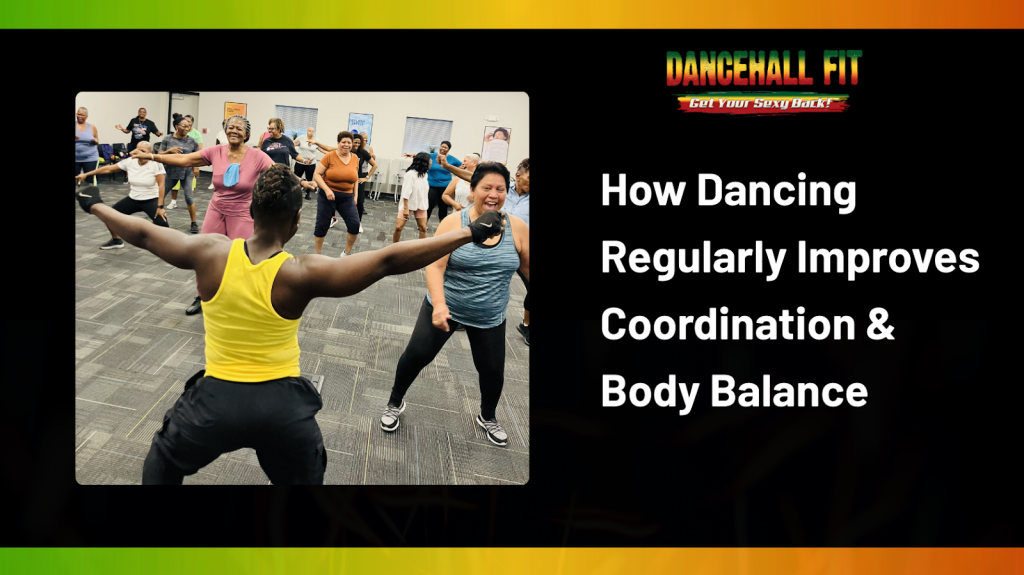
Dancing for Physical Fitness: Improve Coordination and Body Balance
In a fast-paced lifestyle, many people look for enjoyable ways to stay active and healthy. One of the most effective and fun methods is dancing for physical fitness. Dancing is not just about entertainment; it is a powerful full-body workout that improves coordination, balance, strength, and mental well-being.
Let’s explore how dancing helps improve coordination and body balance.
1. Enhances Brain–Body Connection
Dancing requires your brain and body to work together continuously. You must:
- Listen to music
- Follow rhythm and tempo
- Remember steps
- Move different body parts at the same time
This process strengthens the connection between your nervous system and muscles. Over time, your body learns to react faster and move more smoothly.
With regular practice, dancing for physical fitness helps you gain better control over your movements, improving overall coordination.
2. Improves Muscle Control and Stability
When you dance, you use multiple muscle groups simultaneously:
- Core muscles for balance
- Leg muscles for movement
- Arm muscles for rhythm and expression
These muscles work together to keep your body stable. This improves posture and reduces unnecessary movements.
As your muscles become stronger and more coordinated, your balance naturally improves, making daily activities easier and safer.
3. Strengthens Core for Better Balance
Your core plays a major role in maintaining balance. During dance routines, your core muscles stay engaged to support twists, turns, and jumps.
Benefits of a strong core through dancing include:
- Better posture
- Reduced back pain
- Improved stability
- Lower risk of falls
Regular dancing for physical fitness builds a strong foundation for body balance and coordination.
4. Develops Spatial Awareness
Spatial awareness means understanding where your body is in relation to space and surroundings. Dancing trains you to:
- Maintain proper distance
- Change directions smoothly
- Adjust movements quickly
- Stay aligned with others
This skill is especially useful in crowded places, sports, and daily movement.
With time, dancing improves your ability to move confidently without losing balance.
5. Boosts Flexibility and Joint Mobility
Stiff muscles and joints often cause poor balance and awkward movements. Dancing includes stretching, bending, and flowing motions that increase flexibility.
Benefits include:
- Smoother movements
- Reduced muscle tightness
- Better joint health
- Improved range of motion
Flexible muscles help your body respond better to sudden movements, reducing the risk of slips and injuries.
6. Improves Reaction Time and Reflexes
Dance routines change rhythm and pace frequently. You must quickly adapt to:
- Speed changes
- New steps
- Direction shifts
- Music variations
This sharpens your reflexes and improves reaction time. Faster reactions help you regain balance quickly if you stumble or lose stability.
This is another major advantage of dancing for physical fitness.
7. Enhances Mental Focus and Confidence
Dancing is not only physical, it is mental training too. Learning and performing steps improves:
- Concentration
- Memory
- Discipline
- Self-confidence
When you feel confident in your movements, you move more naturally and fearlessly. This mental strength supports physical balance and coordination.
8. Supports Healthy Weight and Body Control
Maintaining a healthy weight reduces pressure on joints and improves body control. Dancing burns calories effectively while keeping you motivated.
Depending on intensity, dancing can burn:
- 250–600 calories per hour
- Improve metabolism
- Reduce fat
- Increase stamina
With better fitness levels, your body becomes more agile and balanced.
9. Suitable for All Age Groups
One of the biggest advantages of dancing for physical fitness is that it suits everyone:
- Children develop motor skills
- Adults improve stamina and posture
- Seniors maintain balance and prevent falls
Dance styles can be adjusted based on age, ability, and health condition, making it a lifelong fitness activity.
10. Helps Prevent Injuries and Falls
Poor balance is a major cause of injuries, especially in older adults. Regular dancing strengthens muscles and improves coordination, reducing fall risk.
It also improves:
- Body awareness
- Movement control
- Joint stability
Dancing is more than just a fun activity; it is a powerful way to improve coordination, balance, strength, and confidence at every stage of life. With regular practice, dancing for physical fitness helps your body and mind work together smoothly, making everyday movements easier, safer, and more energetic.
From improving posture and flexibility to boosting mental focus and preventing injuries, dancing supports overall well-being in a joyful and sustainable way.
At Dancehall Fit, we believe fitness should be enjoyable, inclusive, and effective. Our dance-based workouts are designed to help you stay active, confident, and balanced—no matter your age or fitness level.
Ready to experience the benefits of dance for your health and lifestyle?
Contact us today at Dancehall Fit and start your journey toward a stronger, healthier, and more confident you!